

Introduction (The Hook):
“In the competitive world of premium wine and spirits, your accessories speak long before the bottle is uncorked. Yet, many purchasing managers and brand owners fall into a fatal sourcing trap:
compromising on material to save pennies, only to lose dollars on damaged brand reputation, fading surface plating, or worse—customs rejections due to failed food-safety compliance.
If you are sourcing custom wine stoppers for a luxury brand, seasonal corporate gifting, or high-end retail, there is a clear dividing line between amateur supplies and professional-grade barware. That line is Zinc Alloy Die-Casting.
In this guide, we bypass the sales fluff and dive into the manufacturing reality. We will explore why zinc alloy is the uncompromising standard for premium wine tools, how the die-casting process works, and how choosing the right material directly maximizes your project’s long-term ROI.”
compromising on material to save pennies, only to lose dollars on damaged brand reputation, fading surface plating, or worse—customs rejections due to failed food-safety compliance.
If you are sourcing custom wine stoppers for a luxury brand, seasonal corporate gifting, or high-end retail, there is a clear dividing line between amateur supplies and professional-grade barware. That line is Zinc Alloy Die-Casting.
In this guide, we bypass the sales fluff and dive into the manufacturing reality. We will explore why zinc alloy is the uncompromising standard for premium wine tools, how the die-casting process works, and how choosing the right material directly maximizes your project’s long-term ROI.”
The Hidden Cost of Cheap Materials in Wine Accessories
When comparing quotes from different suppliers, it is tempting to look only at the bottom line. However, utilizing low-cost materials like basic plastics, tin alloys, or thin stamped aluminum introduces severe material sourcing risks.
Cheap materials lack the necessary density, leading to a “hollow” and fragile feel. Over time, poor-quality metals react with the acidity of the wine or the humidity in the air, causing the electroplating to peel, rust, or tarnish. For a brand aiming to position itself in the premium market, delivering a flimsy wine stopper is a direct hit to your brand equity.
Cheap materials lack the necessary density, leading to a “hollow” and fragile feel. Over time, poor-quality metals react with the acidity of the wine or the humidity in the air, causing the electroplating to peel, rust, or tarnish. For a brand aiming to position itself in the premium market, delivering a flimsy wine stopper is a direct hit to your brand equity.
What is Zinc Alloy Die-Casting? (A Factory’s Perspective)
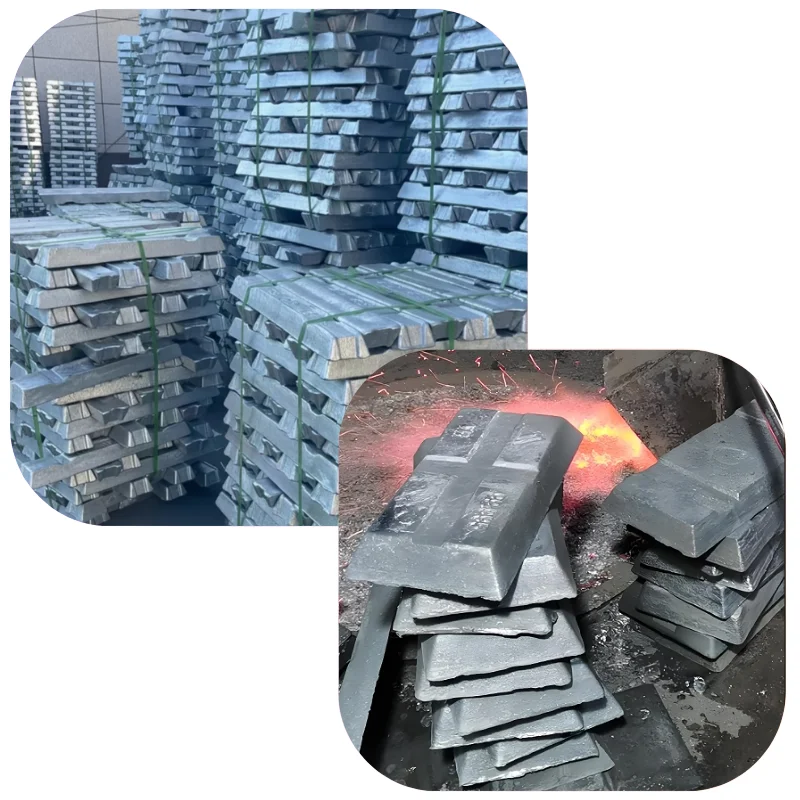
To understand the value, you must understand the process. Zinc alloy die-casting is a highly precise manufacturing method. It involves melting premium zinc alloy ingots at extreme temperatures and forcing the molten metal into a highly engineered steel mold under immense pressure.
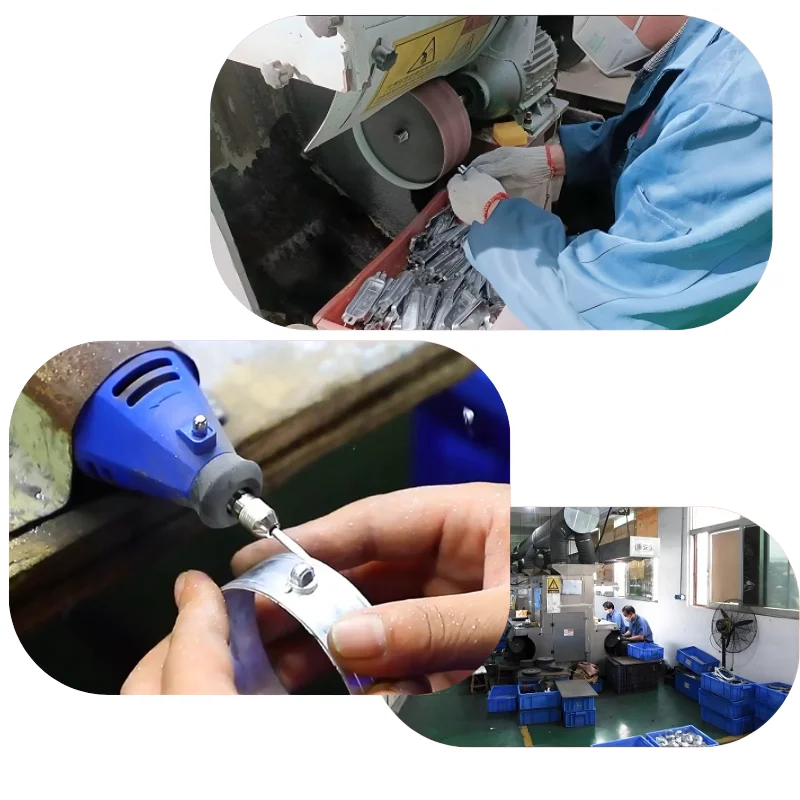
From a factory’s perspective, this is not just pouring metal into a cast. It requires transforming 2D AI files or rough sketches into precise 3D mold schematics, CNC-machining the heavy-duty steel molds, and calibrating the die-casting machines to ensure zero air bubbles or structural weak points. The result is a solid, seamless piece of metal that perfectly replicates the original design.
From a factory’s perspective, this is not just pouring metal into a cast. It requires transforming 2D AI files or rough sketches into precise 3D mold schematics, CNC-machining the heavy-duty steel molds, and calibrating the die-casting machines to ensure zero air bubbles or structural weak points. The result is a solid, seamless piece of metal that perfectly replicates the original design.
4 Reasons Zinc Alloy Dominates the Premium Market
Why do top-tier hospitality brands and wineries insist on zinc alloy for their OEM manufacturing?
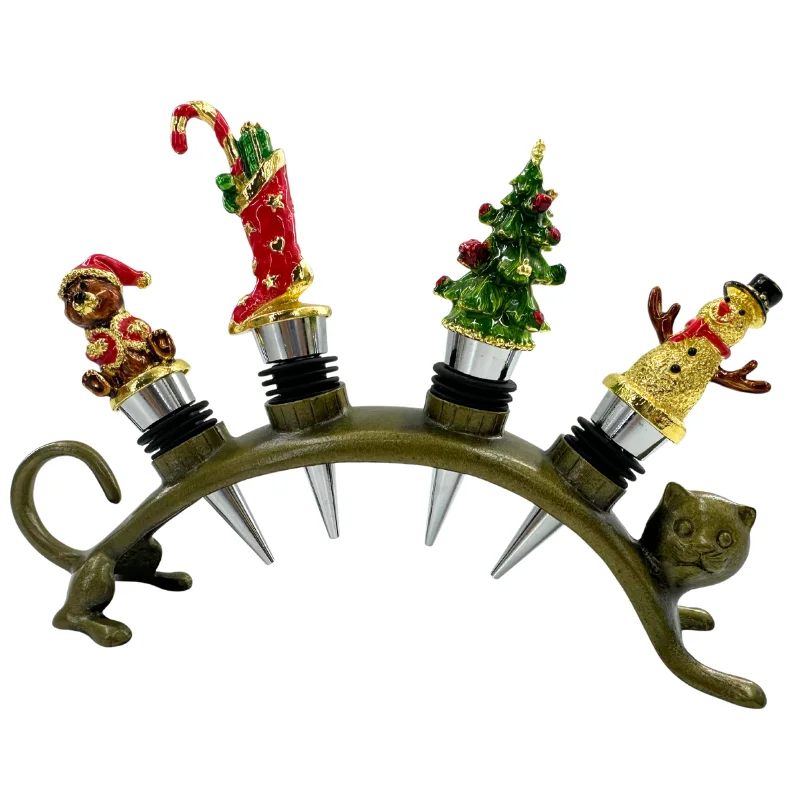
Unmatched 3D Design Flexibility: Whether your design is a complex geometric logo, a highly detailed animal head (like a deer or parrot), or intricate typography, die-casting captures microscopic details with razor-sharp edges that other methods simply cannot achieve.
The “Heavy” Feel of Luxury: Weight equates to perceived value. A solid zinc alloy stopper possesses a substantial, satisfying heft in the hand. This tactile feedback immediately communicates quality to the consumer, allowing for premium retail pricing.
Superior Surface Finishing: Zinc alloy provides an incredibly smooth base. This is critical for high-end surface treatments, allowing for flawless mirror polishing, multi-layer electroplating (gold, rose gold, gunmetal), and vibrant hand-painted enamel finishes.
Unyielding Durability & Corrosion Resistance: Wine environments are naturally acidic. Zinc alloy, especially when properly plated, offers outstanding corrosion resistance, ensuring the accessory remains a lifelong keepsake for the user.
Unmatched 3D Design Flexibility: Whether your design is a complex geometric logo, a highly detailed animal head (like a deer or parrot), or intricate typography, die-casting captures microscopic details with razor-sharp edges that other methods simply cannot achieve.
The “Heavy” Feel of Luxury: Weight equates to perceived value. A solid zinc alloy stopper possesses a substantial, satisfying heft in the hand. This tactile feedback immediately communicates quality to the consumer, allowing for premium retail pricing.
Superior Surface Finishing: Zinc alloy provides an incredibly smooth base. This is critical for high-end surface treatments, allowing for flawless mirror polishing, multi-layer electroplating (gold, rose gold, gunmetal), and vibrant hand-painted enamel finishes.
Unyielding Durability & Corrosion Resistance: Wine environments are naturally acidic. Zinc alloy, especially when properly plated, offers outstanding corrosion resistance, ensuring the accessory remains a lifelong keepsake for the user.
Safety First: FDA & LFGB Compliance in Metal Manufacturing
In international trade, aesthetics mean nothing if the product cannot pass customs. Wine stoppers are in direct proximity to consumable liquids.
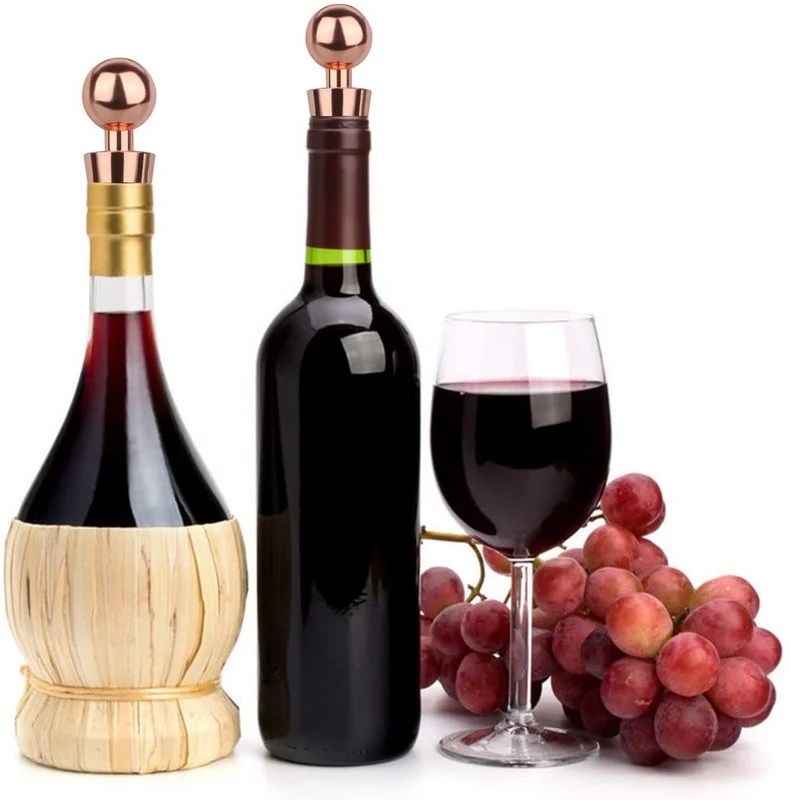
Professional-grade wine stoppers must utilize lead-free zinc alloy paired with conical, food-grade silicone rings. Ensuring your products are 100% FDA, LFGB, and RoHS compliant is a non-negotiable standard. Working with a reliable factory guarantees that every batch is backed by third-party testing, completely eliminating recall risks and safeguarding your brand’s legal standing in global markets.
Professional-grade wine stoppers must utilize lead-free zinc alloy paired with conical, food-grade silicone rings. Ensuring your products are 100% FDA, LFGB, and RoHS compliant is a non-negotiable standard. Working with a reliable factory guarantees that every batch is backed by third-party testing, completely eliminating recall risks and safeguarding your brand’s legal standing in global markets.
Cost-Benefit Analysis: Tooling Fees vs. Long-Term ROI
This is the section where amateur buyers retreat and professional buyers invest.
When customizing a unique 3D wine stopper, the initial quotation will include a Tooling Fee (Mold Cost) for the steel mold. Buyers accustomed to off-the-shelf products often view this as an unnecessary expense. However, analyzing this through the lens of mass production efficiency reveals a different truth.
The Reality of Steel Molds: Unlike cheap silicone or sand molds that degrade after a few hundred uses—leading to inconsistent shapes and high defect rates—a CNC-machined steel mold can withstand hundreds of thousands of high-pressure injections.
Amortization and Unit Cost: The initial custom tooling costs are a one-time capital expenditure. Once the mold is paid for, the actual per-unit cost of die-casting is incredibly low. As your order volume scales (from 1,000 to 10,000+ pieces), the tooling cost amortizes to near zero per unit.
Yield Rate and Speed: A precise steel mold guarantees a yield rate close to 99%. There is no time wasted on discarding deformed pieces or excessive manual sanding. This translates to faster mass production lead times and stable, predictable quality.
The Bottom Line: Paying for a premium steel mold upfront is not a sunk cost; it is an investment in production stability. It guarantees the lowest possible unit price at scale, zero quality-control headaches, and the highest long-term ROI for your wine accessory wholesale business.
When customizing a unique 3D wine stopper, the initial quotation will include a Tooling Fee (Mold Cost) for the steel mold. Buyers accustomed to off-the-shelf products often view this as an unnecessary expense. However, analyzing this through the lens of mass production efficiency reveals a different truth.
The Reality of Steel Molds: Unlike cheap silicone or sand molds that degrade after a few hundred uses—leading to inconsistent shapes and high defect rates—a CNC-machined steel mold can withstand hundreds of thousands of high-pressure injections.
Amortization and Unit Cost: The initial custom tooling costs are a one-time capital expenditure. Once the mold is paid for, the actual per-unit cost of die-casting is incredibly low. As your order volume scales (from 1,000 to 10,000+ pieces), the tooling cost amortizes to near zero per unit.
Yield Rate and Speed: A precise steel mold guarantees a yield rate close to 99%. There is no time wasted on discarding deformed pieces or excessive manual sanding. This translates to faster mass production lead times and stable, predictable quality.
The Bottom Line: Paying for a premium steel mold upfront is not a sunk cost; it is an investment in production stability. It guarantees the lowest possible unit price at scale, zero quality-control headaches, and the highest long-term ROI for your wine accessory wholesale business.
From Concept to Reality: Partnering with the Right Manufacturer.
Choosing the right material is only half the battle; choosing the right execution team is the rest.
If you are looking to bypass the tooling phase entirely, a capable factory should offer a library of existing stock molds (100+ ready-to-use designs) to accelerate your launch. If you require absolute exclusivity, look for an OEM partner that offers agile R&D. The industry standard to aim for is free 3D product design within 48 hours, followed by rapid sampling in just 7 to 8 days once the mold drawing is confirmed.
Conclusion: Stop Compromising on Your Brand
Your brand’s physical touchpoints should reflect the quality of the liquid inside the bottle. By choosing zinc alloy die-casting, you are choosing precision, compliance, and uncompromising luxury.
Stop letting subpar materials and inefficient sourcing limit your brand’s potential. If you have an idea, a sketch, or a reference image, contact our engineering team today.
Let us provide a complimentary 3D design and a transparent mold quotation to bring your vision to life.
Stop letting subpar materials and inefficient sourcing limit your brand’s potential. If you have an idea, a sketch, or a reference image, contact our engineering team today.
Let us provide a complimentary 3D design and a transparent mold quotation to bring your vision to life.